Start with familiar food, two washable bowls, secure walking equipment, waste bags and a quiet resting place. Add only what you still need. Your dog’s food and supplies go into one list; local vet and care costs stay separate.
A few products to start your list.
Choose what you need and skip what you already own. Each product opens in your shopping list so you can add its price.
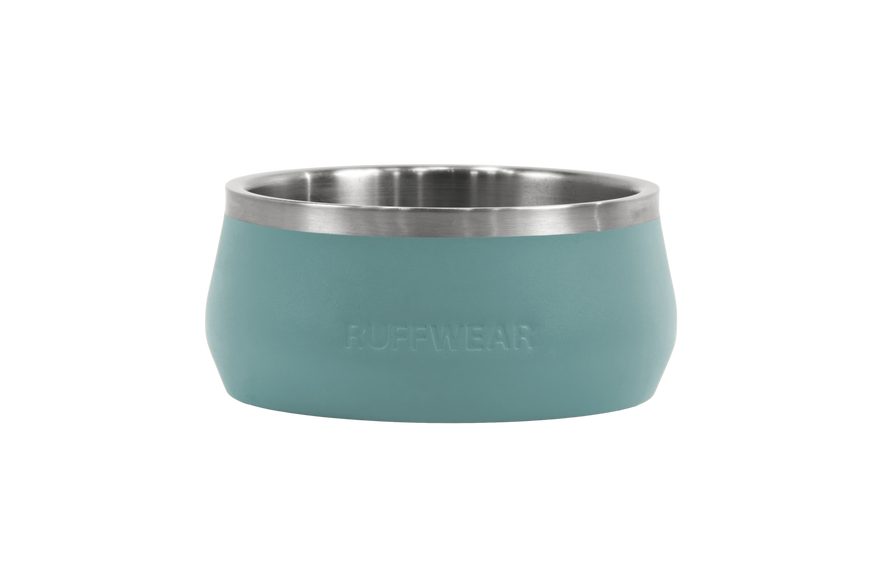
Ruffwear Basecamp Bowl
A stainless steel everyday bowl with a grip base. Choose capacity to fit the meal or water station.
Add to my list Product details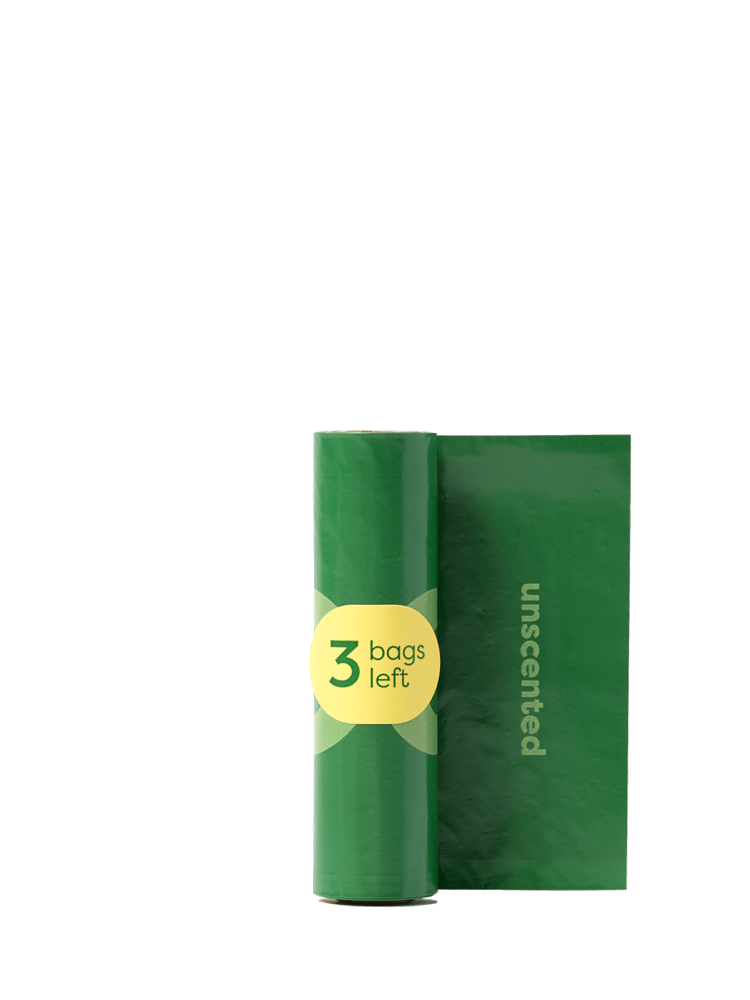
Earth Rated Unscented Poop Bag Refills
A repeat purchase for daily walks. Count your actual bag use to set a refill budget that matches your routine.
Add to my list Product details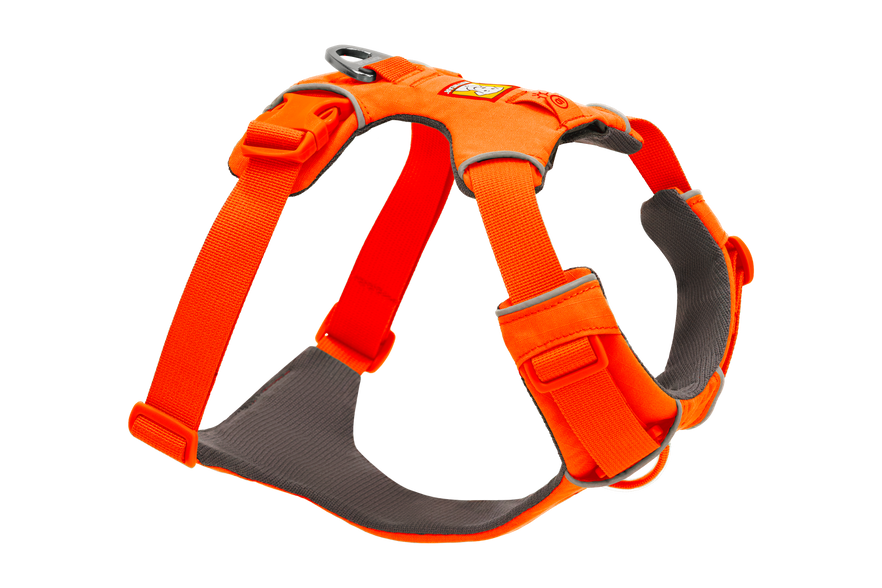
Ruffwear Front Range Harness
An everyday padded harness with front and back leash attachment points. A little more thought for your daily walk.
Add to my list Product details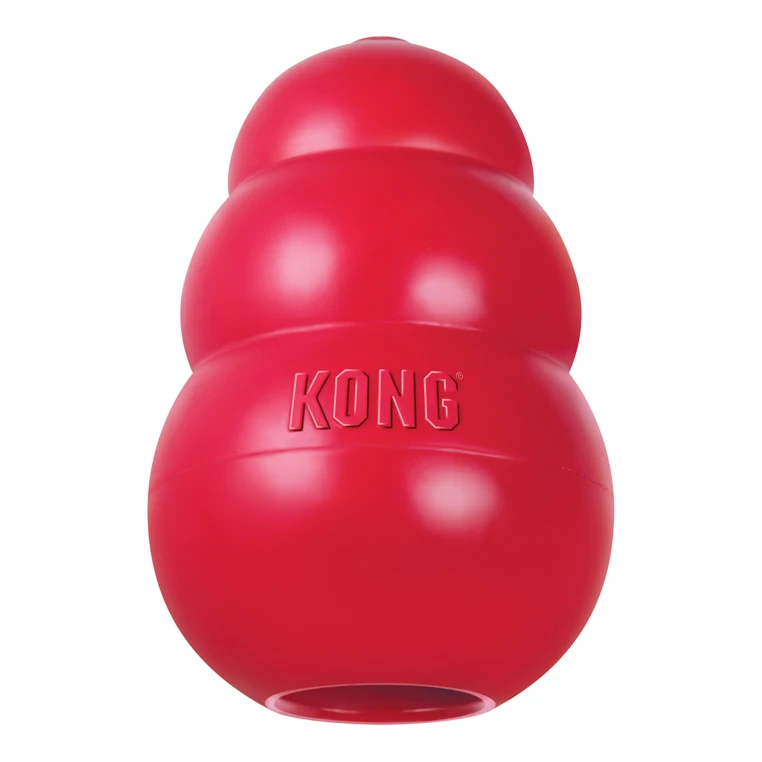
KONG Classic
A stuffable red rubber toy for snack puzzles and everyday play. Pick the size and rubber type that suit your dog.
Add to my list Product details1. Start with the food they already know
Ask the previous caregiver for the exact recipe, current portions and meal times. Write down the full product name, not just “chicken dog food”. Order the same recipe to make the first shopping trip straightforward, unless your vet has advised a change.
If you are choosing a new food, use our dog food comparison guide. Puppy growth and adult maintenance are different needs. A growing large-breed puppy needs a suitability check for large-size growth; a bag with a large dog in the photograph is not enough.
Choose dog food and add it to your list →
2. Build the first-day shopping list
| Need | What to choose | Where to start |
|---|---|---|
| Food and water | Two stable, washable bowls in an appropriate size. You may already own suitable ones. | Ruffwear Basecamp Bowl |
| Walking | A lead, identification and correctly fitted walking equipment. Measure before ordering. | Front Range Harness and Leash |
| Waste cleanup | Pick a bag format that works with your dispenser and local disposal arrangements. | Earth Rated Unscented Poop Bags |
| Rest | A quiet space with comfortable bedding. Check the washing instructions and reuse a suitable bed you already own. | FurHaven Plush & Suede Sofa Bed |
| Play | One or two toys suited to your dog’s size and chewing style. Supervise use. | KONG Classic |
A fountain, automatic feeder and matching accessories can wait. Training pads are an option for a particular toilet-training plan, not a standard requirement for every dog. Buy around your actual setup rather than filling every category.
3. Give each daily job an owner
Use this as a household checklist, then set the timing around your dog’s age, health and needs. Ask your vet about suitable activity and outdoor exposure for a puppy. There is no universal walk duration for every breed or age.
- Morning: toilet opportunity, fresh water, the planned meal and appropriate activity.
- During the day: toilet breaks, water checks, rest and brief positive interaction. Decide who covers these when you are out.
- Evening: the planned meal, appropriate walk or play, a bowl clean and a final toilet opportunity.
Keep the first days calm. A routine that the whole household follows is more useful than a cupboard full of equipment.
4. Book the first vet appointment
Contact a local clinic when you know the arrival date and bring the records you receive. Discuss vaccinations, parasite prevention, identification, food portions and exercise. Ask the clinic for its costs and next appointment dates so these become real entries in your budget.
5. Turn the products into a budget
In the shopping-list builder, choose the food and supplies you want. Enter the current price and pack details you see at the retailer. Food and waste bags are repeat purchases; bowls and walking equipment are setup purchases. Keep those groups separate so a first-month total does not become an inflated ordinary month.
Add your own quotes for vet care, insurance, grooming or paid walking. Keep emergency savings distinct from a bill you expect to pay. After the first month, replace assumptions with actual spending and remove products your dog does not need.
Make it your dog’s list.
Add the products you want, enter today’s prices, and compare your monthly and first-year plan.
Build my shopping listSources and updates
Research updated September 28, 2026.
- AAHA: new dog checklist and first veterinary visit
- AAHA: puppy care, nutrition and exercise questions for your vet
- AAFCO: choosing food for the correct life stage
- Ruffwear product information
- Earth Rated product information
- Ruffwear manufacturer product page
- KONG manufacturer product page
- Purina Pro Plan product information
- Purina Pro Plan product information
We use published information rather than hands-on product testing. Check the selected product’s current details before buying. Our editorial approach · Report a correction